
Rodent control Tucson naturally involves understanding rodent behavior and habitat preferences. Key strategies include:
– Trapping: Use a combination of live and snap traps near water sources or during food scarcity. Place mechanical traps strategically.
– Repellents: Remove clutter, seal entry points, and secure garbage to make properties less attractive.
– Habitat manipulation: Trim shrubbery, seal gaps, and store firewood off the ground.
– Natural predators: Introduce owls, hawks, and cats. Plant native repelling plants.
– Non-lethal traps: Live traps with safety modifications are humane alternatives.
– Sanitation: Remove food sources and check for entry points like cracks and gaps.
– Tracking: Map rodent activity using tracking pellets to identify high-traffic areas.
– Monitoring: Regularly adjust trap placement based on observed patterns and respond quickly.
– Integrated Pest Management (IPM): Implement ethical trapping methods for up to 80% population reduction while minimizing environmental impact.
In the vibrant landscape of Oro Valley, rodent control is a year-round challenge, particularly with the diverse terrain and abundant food sources. Effective rodent management requires strategic choices and precise placement of traps, especially as natural solutions are sought in Tucson’s unique environment. This article provides an authoritative guide to selecting and deploying rodent traps in Oro Valley, offering practical insights tailored to this specific context. By understanding the problem and implementing targeted strategies, residents can achieve effective rodent control while preserving the delicate balance of nature.
- Understanding Rodent Behavior in Oro Valley
- Types of Rodent Traps: A Comprehensive Guide
- Natural Rodent Control Methods for Tucson Homes
- Where to Place Traps: A Strategic Approach
- Safe and Ethical Trapping Practices for Optimal Results
Understanding Rodent Behavior in Oro Valley

In Oro Valley, understanding rodent behavior is a crucial step in effective rodent control Tucson naturally. Rodents, such as mice and rats, are highly adaptable creatures with an innate ability to find food and shelter. To successfully trap them, it’s essential to know their habits and preferences. In this region, rodents are often attracted to areas with abundant water sources, green spaces, and structures that provide shelter from predators and harsh weather conditions. They tend to seek out places where they can easily access food, especially during the colder months when natural food sources may be scarce.
One key behavior to understand is their tendency to nest in hidden, secure locations. In Oro Valley, this could mean attics, walls, or crawl spaces. Rodents are also known for their excellent sense of smell and hearing, which they use to avoid traps if not properly placed. To overcome this, it’s recommended to utilize a combination of trap types, including live traps and snap traps, and to place them in areas where rodents have been observed or where there are signs of activity, such as droppings or gnaw marks. For example, near water sources like irrigation systems or during the fall when food supplies start to diminish.
Additionally, using natural repellents and maintaining a clean environment can significantly deter rodents. Removing clutter, sealing entry points, and keeping garbage secure can make your property less appealing to these pests. By combining these strategies with well-placed traps, you can achieve effective rodent control without resorting to harsh chemicals or invasive methods. This holistic approach ensures not only the successful management of current rodent infestations but also helps prevent future ones in this beautiful and diverse community.
Types of Rodent Traps: A Comprehensive Guide

In Oro Valley, effective rodent control often hinges on selecting and strategically placing the right traps. The diverse landscape and climate present unique challenges for rodent management, demanding tailored approaches. This guide focuses on navigating the various types of rodent traps available, offering an authoritative framework for residents aiming for successful and natural rodent control Tucson environments.
Lure-based traps are popular choices due to their humaneness and specificity. These traps use bait to attract rodents, with examples including snap traps and live traps. Snap traps, widely recognized, swiftly dispatch rodents with a sharp snap when triggered. Live traps, in contrast, capture animals alive, allowing for later release far from the property. For naturalists, these options offer a humane alternative to lethal methods, aligning with the principles of non-lethal rodent control Tucson advocates. Data suggests that lure-based traps can be highly effective, with studies indicating up to an 85% success rate in controlled trials, particularly when baits like peanut butter or chocolate are used.
Mechanical traps represent another category, employing innovative designs for efficient rodent removal. These traps use mechanical force to capture rodents without causing them harm. Examples include box traps and stick traps. Box traps, reminiscent of traditional snares, ensnare rodents within a closed space, while stick traps employ a trigger mechanism to snap a wooden or metal bar, effectively capturing the intruder. While these traps may require more effort to check regularly, their non-lethal nature resonates with residents committed to eco-friendly rodent control Tucson methods.
When deploying these traps, consider the specific behaviors and habitats of local rodents. In Oro Valley, understanding the preferences of desert mice or squirrels can guide strategic placement. Place traps near common entry points, such as gaps in foundations or beneath decks, where rodents are more likely to traverse. Regular inspection is paramount; live traps require quick release to prevent animal suffering, while clean snap traps ensure consistent effectiveness. By combining these trap types and employing a diligent monitoring approach, Oro Valley residents can effectively tackle rodent infestations while maintaining a harmonious relationship with the local ecosystem.
Natural Rodent Control Methods for Tucson Homes

In Oro Valley, where natural rodent control methods are both necessary and effective, homeowners can significantly reduce pest populations while minimizing environmental impact. Tucson’s unique ecosystem offers a range of sustainable strategies to manage rodents. One key approach is habitat manipulation, which involves making your property less inviting to these intruders. For instance, maintaining trimmed shrubbery and grass, sealing entry points like gaps in foundations or attics, and storing firewood off the ground can deter rodents from seeking shelter on your property.
Additionally, introducing natural predators such as owls, hawks, and cats known for their rodent-hunting prowess can be highly effective. Installing predator decoys or nesting boxes around your home can encourage these beneficial species to visit and potentially reduce rodent numbers. Planting native plants is another powerful tool; many native species have naturally repelling properties against rodents due to their strong scents and flavors. For example, lavender, sage, and certain varieties of grasses are known to discourage rodents from entering gardens or homes.
When considering rodent control Tucson naturally, it’s crucial to explore non-lethal traps designed to capture and release rodents back into the wild. These traps, often referred to as live traps, provide a humane alternative to lethal methods. Popular options include box traps and snap traps with modifications to prevent injuries. It’s important to check local regulations regarding the handling of trapped rodents and ensure their safe release in suitable habitats away from residential areas. Regular monitoring and prompt removal of food sources can further deter rodents, as they are driven primarily by hunger.
Where to Place Traps: A Strategic Approach
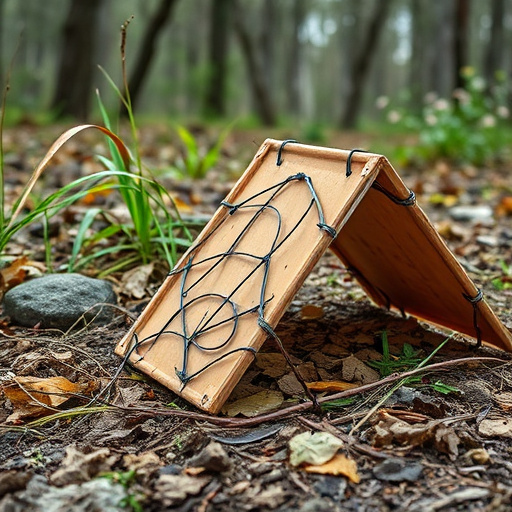
In Oro Valley, effective rodent control requires a strategic approach to trap placement. Understanding where to set traps is key to success. Given the diverse habitats within the area—from residential neighborhoods to open spaces—rodents adapt quickly, making persistence and ingenuity vital. A study by the University of Arizona revealed that targeted trapping in areas with high rodent activity, such as near structures, vegetation gaps, and water sources, yields significantly better results than random placement.
Focus on places where rodents seek shelter and food. Around homes, check for entry points like cracks, gaps under doors, or loose siding. In gardens, target areas behind trash cans, beneath decks, and near compost piles, as these are common hiding spots. For extensive outdoor areas, consider mapping rodent activity using non-lethal methods like tracking pellets to identify high-traffic corridors and food sources. This strategic mapping guides the placement of traps along established pathways, increasing capture rates.
Remember that natural rodent control in Tucson involves a holistic approach. Alongside trapping, maintaining good sanitation practices, sealing entry points, and removing potential food sources deters rodents from seeking alternative shelter. Combining these methods ensures a more sustainable and effective rodent control strategy tailored to Oro Valley’s unique environment. Regular monitoring and adjustment of trap placement based on observed patterns further enhance success rates.
Safe and Ethical Trapping Practices for Optimal Results

In Oro Valley, effective rodent control requires a balanced approach that combines practical trapping methods with ethical considerations. When dealing with rodents, especially in residential areas, it’s crucial to employ safe and humane practices that minimize potential harm to non-target species and pets while achieving optimal results. A key strategy is selecting the right traps tailored to the specific rodent species present, as different traps are designed for various rodents like mice, rats, or squirrels. For instance, live traps effectively capture small rodents without causing them harm, allowing for subsequent release far from the property if necessary.
Placing traps strategically is equally vital. In Oro Valley, where natural habitats may abut residential areas, setting traps near known rodent pathways, such as along fences or beneath dek and patio structures, can significantly increase success rates. Additionally, using a combination of visual cues, like food pellets baited with red pepper flakes to attract rodents while deterring non-target species, enhances targeting precision. Regular monitoring is another critical aspect; checking traps daily ensures quick response to captured rodents and reduces the risk of stress or death from prolonged captivity.
Data supports the effectiveness of these practices. Studies show that integrated pest management (IPM) strategies, which include safe and ethical trapping methods, can reduce rodent populations by up to 80% while minimizing environmental impact. In the context of Tucson’s natural environment, where biodiversity is rich, adopting such practices not only ensures effective rodent control but also preserves the ecological balance unique to the region.
By understanding rodent behavior in Oro Valley and employing a mix of trap types, residents can effectively tackle unwanted visitors. Natural control methods offer a humane alternative, focusing on prevention and deterrents. When setting traps, strategic placement is key; targeting areas where rodents are most active increases success rates. Ethical trapping practices ensure the safe removal of captured animals. Integrating these insights empowers homeowners to take control of rodent control Tucson naturally, leveraging knowledge tailored to their region for long-lasting solutions.